Visual Intelligence, the Missing Layer of AI Infra
AI infrastructure has centered on models and cloud. The part everyone skips is the physical layer. OZ fills this gap with managed edge hardware, GPU compute, and a real-time data fabric.
Why this is an infrastructure category
Cloud AI infrastructure is a $200B+ market built on training clusters, inference APIs, and orchestration frameworks. But none of it works at the physical edge, where cameras observe real environments, robots act on what they see, and latency is measured in milliseconds, not seconds. That gap is Visual Intelligence infrastructure: the managed layer that connects AI to the physical world.
Visual Intelligence is not a model. It is not a cloud service. It is permanently deployed hardware, edge compute, and a real-time spatial data fabric, producing structured intelligence for every downstream consumer. Think of it as the Datadog for the physical world: always on, always collecting, always delivering structured output.
World Model
One world model per venue, powered by ArcFlow
Continuous spatial-temporal representation of everything happening on-site
When a venue becomes OZ-powered, it gets a continuous world model built on ArcFlow, our World Model Engine. Multi-camera perception fused into a single representation of everything happening on-site. Entities tracked, relationships mapped, events detected. The venue becomes measurable. Every venue in your league, your federation, your network runs on the same ArcFlow-powered world model architecture.
The AI pipeline: from photon to structured output
Every OZ deployment runs a five-stage pipeline at the venue edge. No cloud round-trips. No batch processing. Continuous real-time operation from the moment light hits the sensor to the moment structured spatial data reaches the API.
Five stages, all at the edge
Capture: Optical Input
Real optics, real resolution.
Perceive: Edge Vision
Production models, not research prototypes.
Fuse: ArcFlow Spatial Graph
One continuous world model from six viewpoints.
Control: Robotic Action
p99 ≤120 ms is our inference target.
Output: ArcFlow Fragments
Stable contracts, not raw feeds.
Architecture
What runs where, and why
Time-critical at the edge. Everything else in the cloud.
Perception, fusion, gimbal control, and ArcFlow spatial output run at the venue with zero cloud dependency. p99 ≤120 ms is our inference target. A network outage does not interrupt the spatial layer. ArcFlow's fragment architecture keeps the local graph running independently; sync happens when connectivity returns. Model training, fleet telemetry, playbook optimization, and business reporting run in the cloud on venue-uploaded structured data. The split is not a preference; it is a physics constraint.
One system, many stakeholders
Every OZ deployment at a venue produces value for multiple stakeholders simultaneously. The same infrastructure serves different needs through ArcFlow fragments, with no per-consumer hardware.
Venue operator
Production as infrastructure, not as a service call.

League or federation
Coverage at scale, quality by default.
Broadcaster
Feeds that plug into any production pipeline.
Data partner
Revenue per venue grows as API consumers attach.
Concentric expansion
We started where the physics is hardest. Every ring outward uses the same platform.
Same nodes, same API, new playbooks, not new products
Live sports demands sub-second robotics control, unpredictable motion, and published-SLO reliability, the hardest proving ground. From football to basketball to every sport, then to broadcasting, CCTV, robotics, and defense. Each new vertical is a new playbook, not a new product. The same platform works everywhere a camera needs to understand what it sees.
Proof in sports
Proven where variance tolerance is zero
Sports is our proving ground, the hardest operating environment for visual intelligence
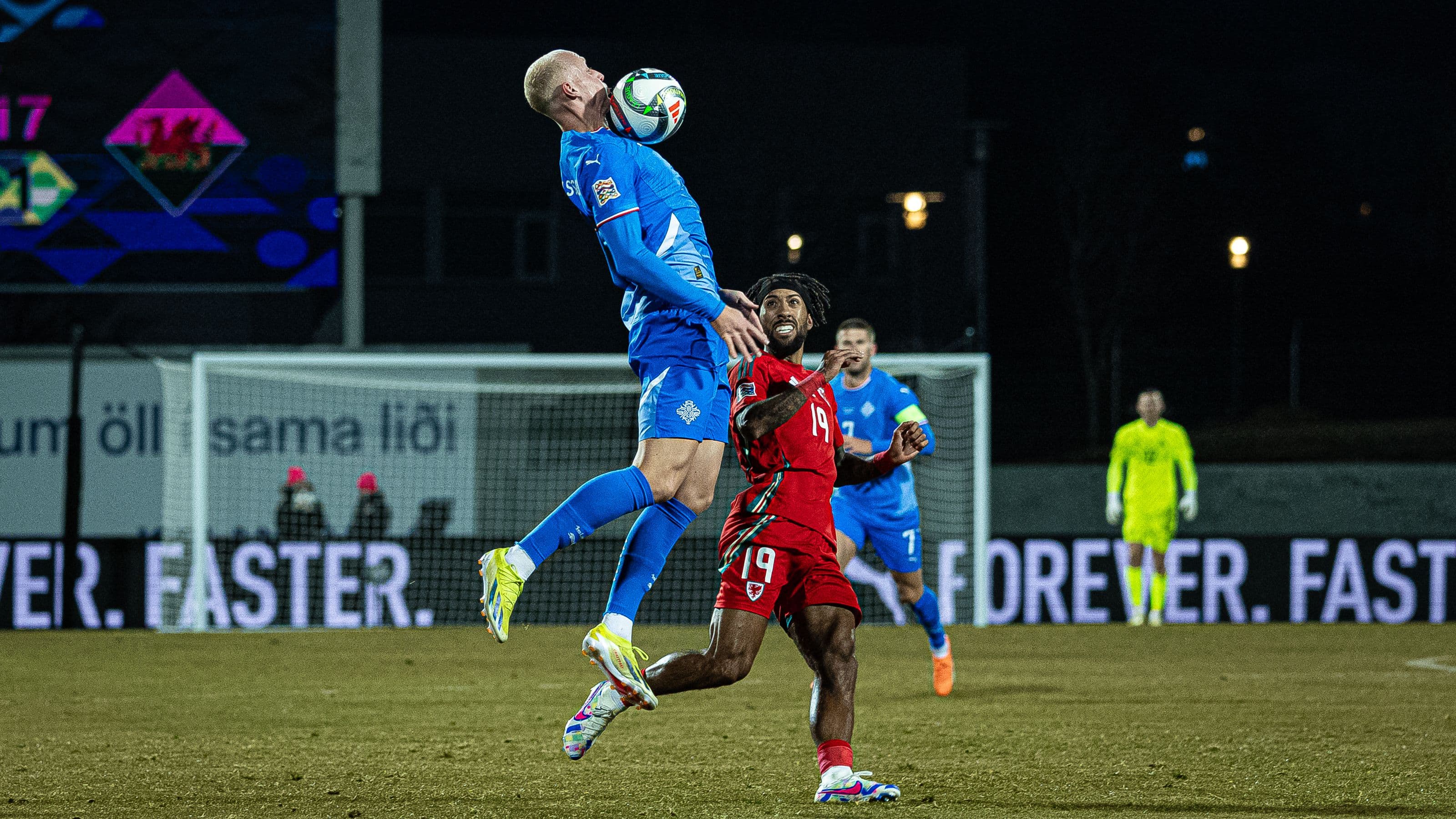
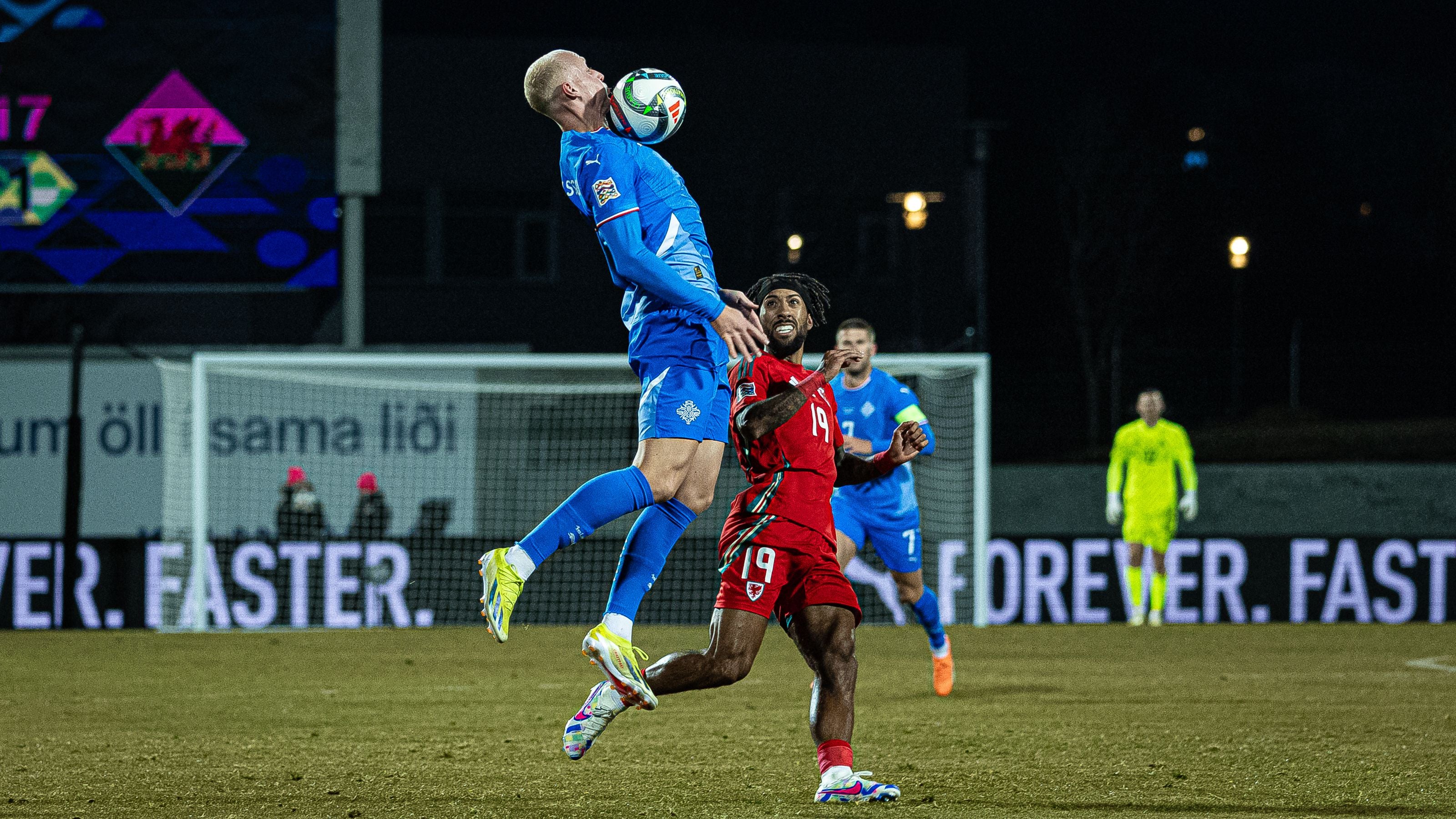
Live sports production demands more from spatial infrastructure than any other civil application: players at full sprint, sub-second gimbal control for close-ups, simultaneous tracking of 22+ players, and live broadcast reliability under published SLOs. OZ is hardened through these conditions first, then applied across every vertical with the same platform. No stitched panoramas, no digital crops. Clean optical input from six robotic 4K cameras processing 3 billion pixels per second at the edge.

Node economics
Astro online. VI Venue when you're ready. Compounding through ArcFlow.
Infrastructure economics that compound with every deployment
Every venue is recurring revenue. Revenue per venue grows as ArcFlow consumers attach. Remote operations keep the cost per venue low, yielding infrastructure margins, not services margins. The deployment flywheel means each new venue makes the economics better for every existing venue.
Visual Intelligence is the infrastructure layer that connects AI to the physical world. Managed edge hardware, GPU compute, and ArcFlow's real-time spatial data fabric. Deployed,...